
01 / 06
Retail jewelry stores
Pain today
Showroom and vault counts diverge over time
With Stocklyst
Branches and zones with strict transfer closure and daily close checks
Industries / Jewelry
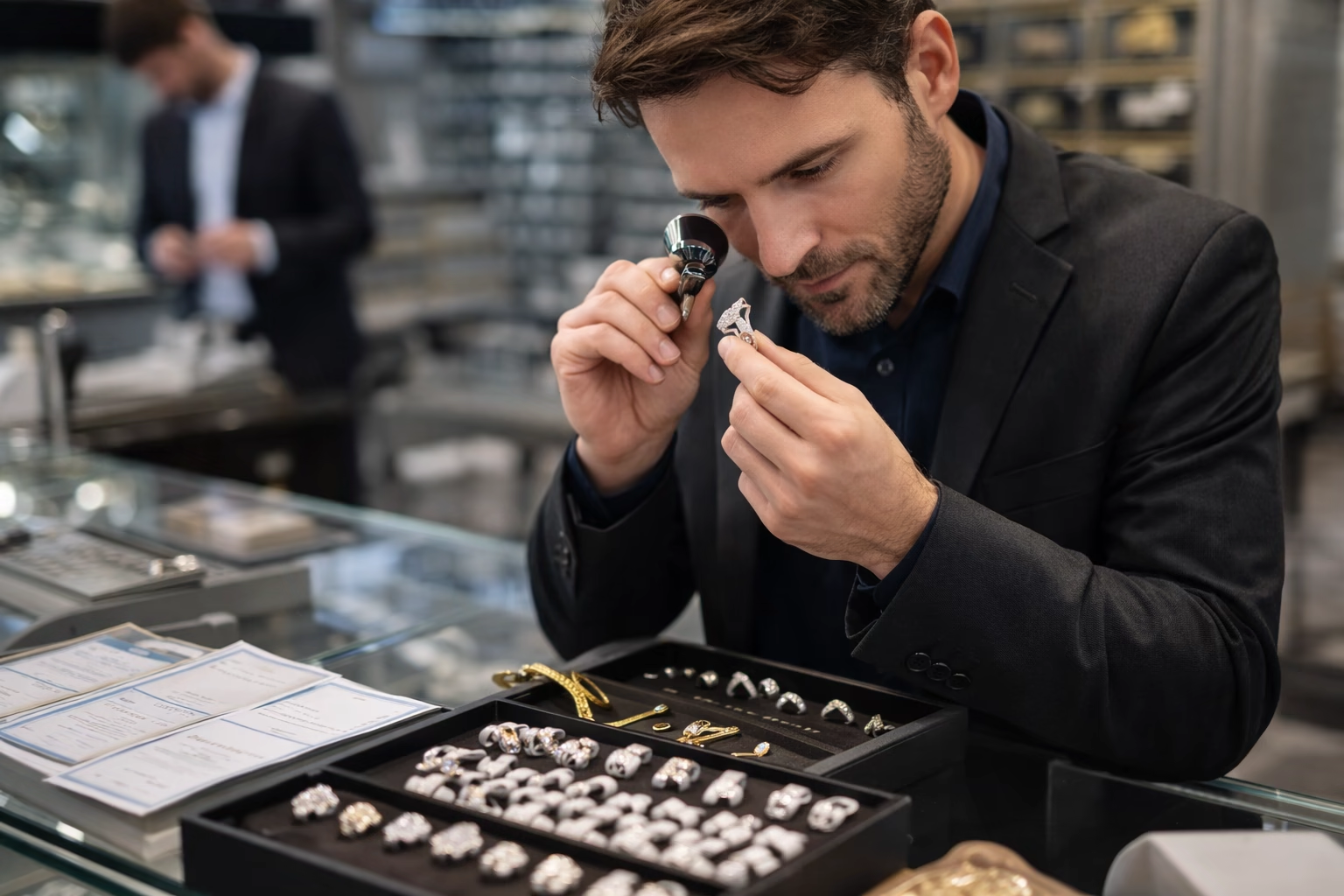
Track high-value pieces across vaults, showrooms, and market events with certification control and custody tracking. Reduce shrinkage, prevent reservation conflicts, and keep every piece accounted for.
01 — Audience
Jewelry retailers, custom jewelers, studio makers, repair shops, and multi-channel sellers who need precise custody tracking and certification control for high-value inventory.
02 — Setup
Start with a recommended branch and zone structure designed for jewelry operations. Customize as you go.
03 — Challenges
04 — Solutions
AI Import Engine
Spreadsheet and POS exports map inconsistently — Upload any CSV or Excel, review AI mappings, and validate before import
Auto min/max calculation
Repeat-use components run out unexpectedly — Research-based reorder points for recurring component and consumable categories
Expiry tracking
Dated consumables like adhesives are unmanaged — Zone-level expiry dates with automatic near-expiry monitoring
Zone-level tracking
Teams cannot quickly locate high-value pieces — Strict vault, showroom, repair, and transit zone model with required locations
Bundle management
Matched sets and custom packages are rebuilt inconsistently — Define repeatable sets and monitor missing pieces across locations
Variant management
Size and material variations are not connected under one design — Group size and material variations under one parent piece with independent SKU and quantity per variant
Related item links
Matching companion pieces are not linked for coordinated selling — Link matching earrings, necklaces, and bracelets so companion stock is visible alongside any piece
Offline mobile app
Market and remote selling updates are delayed — Capture movement and counts offline at events, sync when back online
05 — FAQ
Quick answers to what jewelry teams typically ask before setting up Stocklyst.
Yes. Assign a non-reusable SKU to each unique piece. Rich metadata via custom fields (metal type, stone specs, certificate number, appraised value) makes every item searchable and auditable.
Use reservation tags (e.g., "status:reserved-custom") and dedicated zones. Governance rules prevent reserved items from being transferred or sold without explicit release.
Treat each event as a branch or use a portable transit case branch. Transfer pieces in and out explicitly. The offline mobile app works at venues with no connectivity.
Full audit trail of every adjustment, transfer, and status change with user attribution and timestamps. Every time a piece moves between vault, showroom, repair, or transit, it is recorded.